25.06.26
What Makes a Deal Fundable: The Criteria Behind a Yes
Developers often ask us what we’re looking for when a deal comes across the desk. The honest answer is that it’s rarely one thing. A fundable deal is a set of pieces that fit together — and when they do, the decision is straightforward. This post walks through what we actually assess, in the order we assess it, so you can see your own project the way a lender sees it.
Here's how it works.
We Fund Projects, Not Just Properties
The first thing to understand is that development finance isn’t mortgage lending. We’re not lending against an asset that already exists and sits still. We’re funding something that has to be built, sold or refinanced, and repaid — usually over 12-18 months, through a market that will move underneath it.
That changes what matters. The security is important, but it’s the project around the security that determines whether the loan repays. So we assess the whole thing: the consent position, the budget, the exit, the security, and the people delivering it. Get those five right and you have a fundable deal.
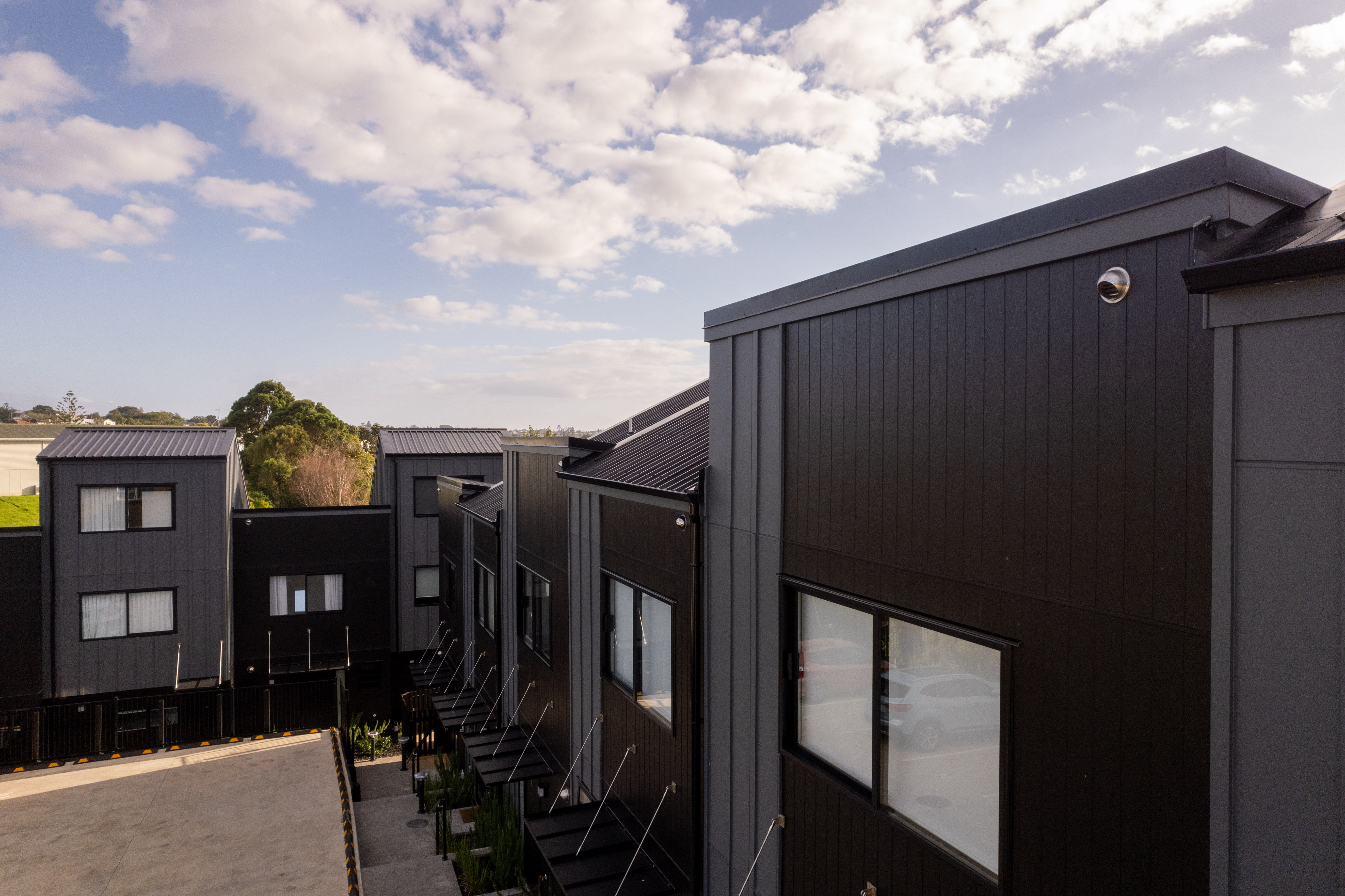
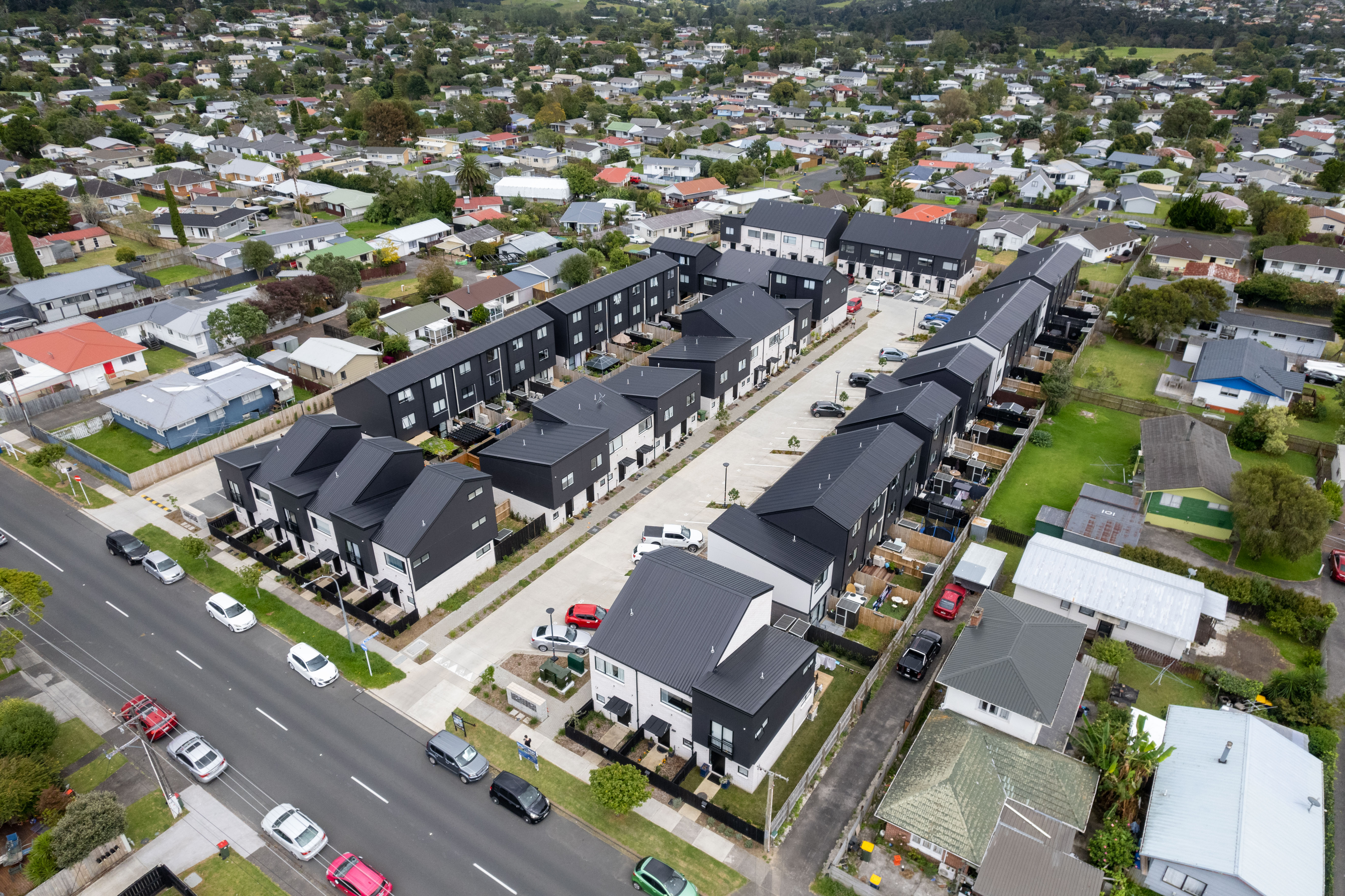
- Consents and the Planning Position
A project can’t draw construction funding until it’s legally able to be built. So the first question is always where the consents sit.
Resource consent tells us the project is permitted in principle — the right number of dwellings, the right height, the right density for the site. Building consent tells us it can physically be constructed to code. The further along that pathway a project is, the less planning risk we’re carrying, and the faster a facility can activate.
That doesn’t mean we only look at fully consented projects. We regularly engage early, before building consent is granted, and structure the facility so the developer’s equity carries the project to the point where construction funding takes over. But we need a clear, credible line of sight to consent. A project relying on a discretionary outcome that hasn’t been tested is a different risk to one with consents in hand.
The practical point: the earlier you talk to us, the more we can shape the funding around your consent timeline rather than the other way round.
- The Budget and Feasibility
This is where most of the assessment work happens. A development budget has to do more than add up — it has to stand up to scrutiny line by line.
We want to see the full cost stack. Land acquisition. Soft costs — planning, consents, design, professional fees. Hard costs — civil works and construction, ideally under a contract we can review rather than an estimate. Then the costs people routinely under-budget: utility connections, development levies, and a contingency reserve sized for the complexity of the build.
In most cases an independent Quantity Surveyor, selected by the developer rather than by us, reviews the budget and prepares a Pre-Condition Report. That becomes the baseline everything is measured against for the life of the loan. A budget that has already survived QS review is a long way toward fundable.
The feasibility then has to leave a margin that works. If realisation sits only marginally above total project cost, there’s no room for the cost movement that every development encounters. We want to see a margin that can absorb a contingency overrun or a softer sales result and still repay the facility. A thin feasibility isn’t a strong deal with a small problem — it’s a fragile deal.
- A Credible Exit
Every development loan is written to be repaid, and there are really only two ways that happens: the stock sells, or the project refinances onto a longer-term facility. The exit is how we test that the loan has a way out before we write it in.
We don’t always require pre-sales. A strong project with a clear sell-down strategy in a market with genuine demand can stand on its own. But where pre-sales exist, they need to be real — unconditional or close to it, at values that hold up, to purchasers who can settle, and not stacked with related parties to flatter the coverage. A pile of soft conditional contracts that evaporate at the sunset date isn’t an exit.
Where the plan is to hold completed stock and refinance, we want to see that the take-out is achievable on the numbers — that the completed values and the likely terms of a longer-term facility actually clear our debt. An exit that only works if everything goes perfectly isn’t an exit. It’s a hope.
- Security That Works
Every development loan is written to be repaid, and there are really only two ways that happens: the stock sells, or the project refinances onto a longer-term facility. The exit is how we test that the loan has a way out before we write it in.
We don’t always require pre-sales. A strong project with a clear sell-down strategy in a market with genuine demand can stand on its own. But where pre-sales exist, they need to be real — unconditional or close to it, at values that hold up, to purchasers who can settle, and not stacked with related parties to flatter the coverage. A pile of soft conditional contracts that evaporate at the sunset date isn’t an exit.
Where the plan is to hold completed stock and refinance, we want to see that the take-out is achievable on the numbers — that the completed values and the likely terms of a longer-term facility actually clear our debt. An exit that only works if everything goes perfectly isn’t an exit. It’s a hope.
- The People Delivering It
A budget and a set of consents don’t build anything. People do. So we spend real time on the development team, because the same project in two different pairs of hands is two different risks.
Track record is the clearest signal. A developer who has delivered comparable projects on time and on budget has shown they can manage the things that go wrong — because something always does. We look at the contractor and the wider team the same way: have they built at this scale, in this typology, recently?
This isn’t about backing only large, established names. We back capable developers stepping up to their next project all the time. What we’re testing is whether the team in front of us matches the project in front of us. A first apartment tower is a different proposition to a fourth block of townhouses, and the team needs to fit the job.
How the Pieces Fit Together
The reason we assess all five rather than fixating on one is that they compensate for each other only up to a point. Strong pre-sales don’t rescue a feasibility with no margin. An experienced developer can’t build a project that isn’t consented. First-class security doesn’t help if there’s no credible exit to repay the debt.
A fundable deal is one where each piece is sound and they reinforce each other: consents in hand or clearly in reach, a budget that has survived independent review, a margin with room to move, a real exit, clean security, and a team that has done this before. When those line up, the structuring is the easy part — and it’s usually where we can add the most value, shaping a cost-to-complete facility that recycles the developer’s equity and keeps their pipeline moving.
Where Deals Fall Down
For balance, it’s worth naming the things that most often turn a maybe into a no. A feasibility with no margin for error. An exit that depends on a market that has to keep rising. Pre-sales that look strong until you read between the lines. Budgets missing the unglamorous costs — levies, connections, contingency.
None of these are automatically fatal. Most can be fixed with the right structure, a larger equity contribution, or a change to the exit plan. But they have to be confronted honestly rather than papered over, because the lender will find them either way — and it’s far better to find them together, early, than to discover them mid-build.
The Bottom Line
A fundable deal isn’t a perfect deal. It’s a coherent one. Consents on a credible path, a budget that holds up, a margin that can move, a real exit, security that works, and a team that fits the job. Bring those to the table and you’re most of the way to a yes — and the conversation moves quickly from whether we can fund it to how we structure it best.
The developers who get to yes fastest are the ones who bring us the deal before the gaps are locked in — while there’s still room to shape the consent timeline, the equity contribution, and the exit around a structure that works. The best time to talk to a lender isn’t when you’ve run out of other options. It’s before you buy the land.
NZMS is a non-bank development finance lender with over 40 years of industry experience, backed by Mansons TCLM. Over $5 billion in projects funded, $450M available.
Questions about CTC funding? Get in touch at nzms.co.nz or email [email protected]
Next article

26.05.26
How Cost-to-Complete Funding Works
Read now →